
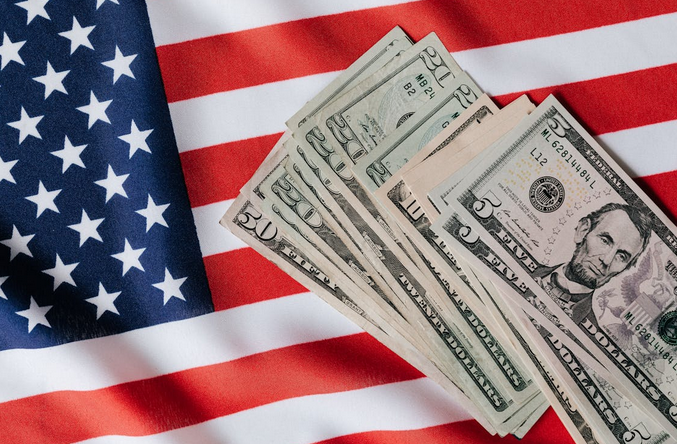
The 7-Minute Money Makeover: Tiny Daily Tweaks That Transform Your Finances
Improving your finances doesn’t have to mean massive lifestyle overhauls, strict budgeting apps, or hours hunched over spreadsheets. In fact, the most powerful transformations often come from tiny daily tweaks—small, consistent habits that take just a few minutes and compound over time. Think of it as a seven-minute daily money makeover. It’s manageable, it’s low-pressure, and it’s surprisingly effective. Whether you’re trying to build savings, get a grip on your spending, or simply feel more financially grounded, these micro-habits can help you move forward without feeling overwhelmed.
Start by Checking One Number Each Morning
Many people avoid looking at their bank account because they fear what they’ll see, but a quick daily check-in can actually reduce financial anxiety. Spending just a minute reviewing your balances or recent transactions helps keep you grounded in reality instead of assumptions. Over time, this habit strengthens your awareness and gives you a clearer sense of your patterns. You’ll catch errors early, avoid surprise overdrafts, and gain a sense of control before the day even begins.
Give Your Spending One Small Intention Per Day
Instead of trying to overhaul your entire budget, set a single mini-intention for your spending. It could be something like making coffee at home, skipping an impulse purchase, or choosing a cheaper lunch option. This tiny commitment keeps you mindful without feeling restrictive or punishing. When done daily, these micro-decisions generate meaningful savings and help you build healthier spending habits naturally.
Organize a Financial “Hot Spot” for Two Minutes
Every home has financial clutter—old receipts, unopened mail, or documents scattered in drawers. Spending two minutes a day organizing one small area not only clears physical space but also clears mental space. It can be as simple as sorting yesterday’s receipts, deleting spam bank emails, or filing a couple of documents. This light daily maintenance prevents piles from accumulating and makes your financial world feel more manageable.
Review One Small Financial Goal for Motivation

A goal loses its power when you stop thinking about it, which is why checking in with a single financial objective can be so motivating. It doesn’t have to be a full review—just a glance at your savings progress or a reminder of what you’re working toward. This daily touchpoint keeps your goals top of mind, strengthens your sense of purpose, and helps you stay consistent without feeling pressured.
Take a Moment to Celebrate One Smart Money Choice
Most people overlook their financial wins because they’re too focused on what they should be doing. Taking a minute to acknowledge a smart money choice—no matter how small—builds confidence and makes positive habits feel rewarding. Maybe you resisted a purchase, made an extra payment, or transferred a few dollars into savings. Celebrating these tiny wins reinforces progress and boosts motivation far more effectively than focusing on mistakes.
Check in With Your Future Self
This simple mental exercise takes just a moment but can shift your entire financial mindset. Imagine your future self a year from now and ask what small …








 One of the biggest factors that affect your credit score is the amount of debt that you have. This includes not just credit card debt but also things like student loans and car payments. The more debt you have, the lower your credit score will be. This is because lenders see you as a bigger risk if you already have a lot of debt. They’re worried that you might be unable to make your payments on time or at all. Working on paying down your debts can help improve your credit.
 Another factor that can affect your credit score is the length of your credit history. The longer you’ve been using credit, the better it is for your score. This is because lenders want to see a history of responsible borrowing before they give you more money. So, if you’re trying to work on your credit score, it’s a good idea to keep your old credit cards open, even if you’re not using them.
 Health insurance is one of the most important types of insurance you can have. It protects you from paying for expensive medical bills if you get sick or injured. Without health insurance, you could be stuck with a huge bill that you can’t afford. That’s why it’s so important to make sure you have a good health insurance policy. Most countries have some form of public healthcare, but it is essential to remember that not all public healthcare systems are created equal. Many of them are pretty limited in what they cover. That’s why it’s necessary to have a private health insurance policy as well.
 Aside from health insurance, dental insurance is another type of insurance you should never go without. Dental bills can be costly, and they can add up quickly if you’re not careful. That’s why it’s so important to have a good dental insurance policy. With dental insurance, you can get your teeth cleaned and checked regularly, and you won’t have to worry about paying for expensive dental bills if something goes wrong.
 If you own a home, then you need to have homeowners insurance. This type of insurance protects your home from damage or destruction. Without homeowners insurance, you could be left with a huge bill if your home is damaged in a fire or flood. This type of insurance will also help you when your home is burglarized. Homeowners insurance is a must-have for anyone who owns a home. One thing to note here is that not all homeowners insurance policies are created equal. Make sure you read the fine print carefully before you purchase a policy.
 One of the biggest mistakes people make when they invest their money is not doing their research. If you don’t know what you’re doing, it’s very easy to lose a lot of money quickly. Make sure that you take the time to learn about different investment options and how each one works. This way, you’ll be able to make informed decisions about where to put your money. Many people have lost a lot of money by investing in things they didn’t understand.